Cold mornings, dark commutes, and salty roads all pile extra stress on your car. If the vehicle is already a little behind on maintenance, winter has a way of exposing weak spots at the worst possible time. A bit of prep now can mean the difference between a smooth trip on a snowy day and waiting for a tow truck in the cold.
1. Test Your Battery Before the First Deep Freeze
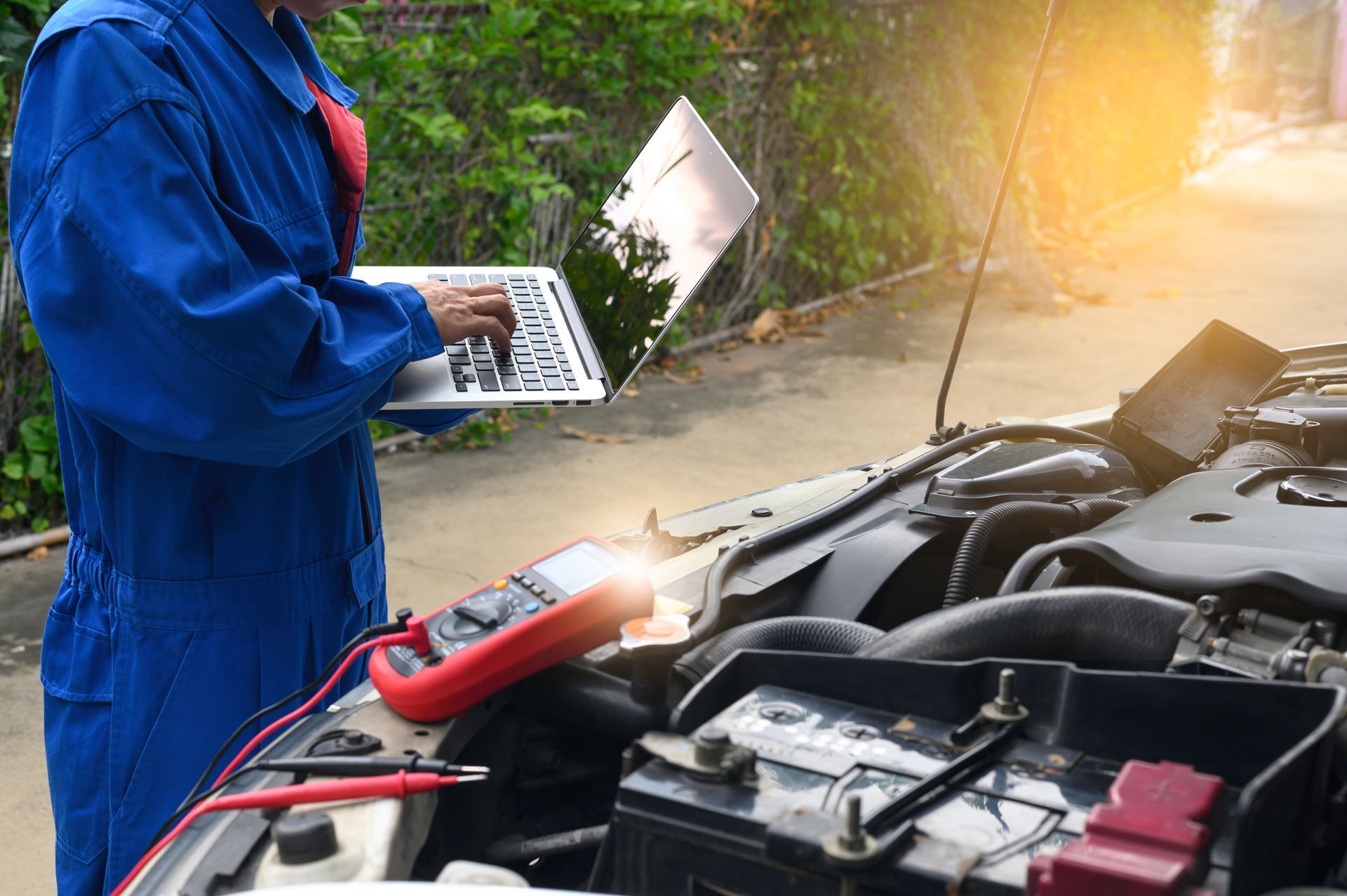
Batteries lose a lot of strength in cold weather, especially once they are a few years old. A battery that felt fine in the fall can suddenly crank slowly or quit outright when temperatures drop. If you have noticed even the slightest hesitation on startup, that is your cue to get it tested.
A proper battery test checks cold cranking amps and overall health, not just voltage. If the numbers are borderline, replacing them before winter really hits is far less stressful than gambling on a weak battery when you are in a hurry.
2. Check Coolant Strength and Level
Coolant does more than keep the engine from overheating. In winter, it also has to resist freezing and protect internal passages from corrosion. If the mixture is too weak, it can slush up in extreme cold and create hot spots once the engine starts.
A simple coolant tester can confirm the freeze protection range. While checking it, look at the level in the reservoir and the condition of hoses and clamps. Stains, crusty deposits, or damp spots are early hints of leaks that should be addressed before long trips in cold weather.
3. Inspect Tires for Tread, Pressure, and Winter Readiness
Tires are your only contact with the road, and winter makes that contact more critical. Worn tread struggles to clear water and slush, which means longer stopping distances and easier loss of traction. Low pressure makes handling mushy and can trigger warning lights when the temperature drops.
When you look at your tires over, pay attention to:
- Tread depth, especially on the inner and outer edges
- Tire age and visible cracks in the rubber
- Pressures set to the door sticker, checked when the tires are cold
If you regularly drive in snow and ice, this is also the time to think seriously about dedicated winter tires instead of stretching a worn all-season tire one more year.
4. Make Sure Brakes Are Ready for Slick Roads
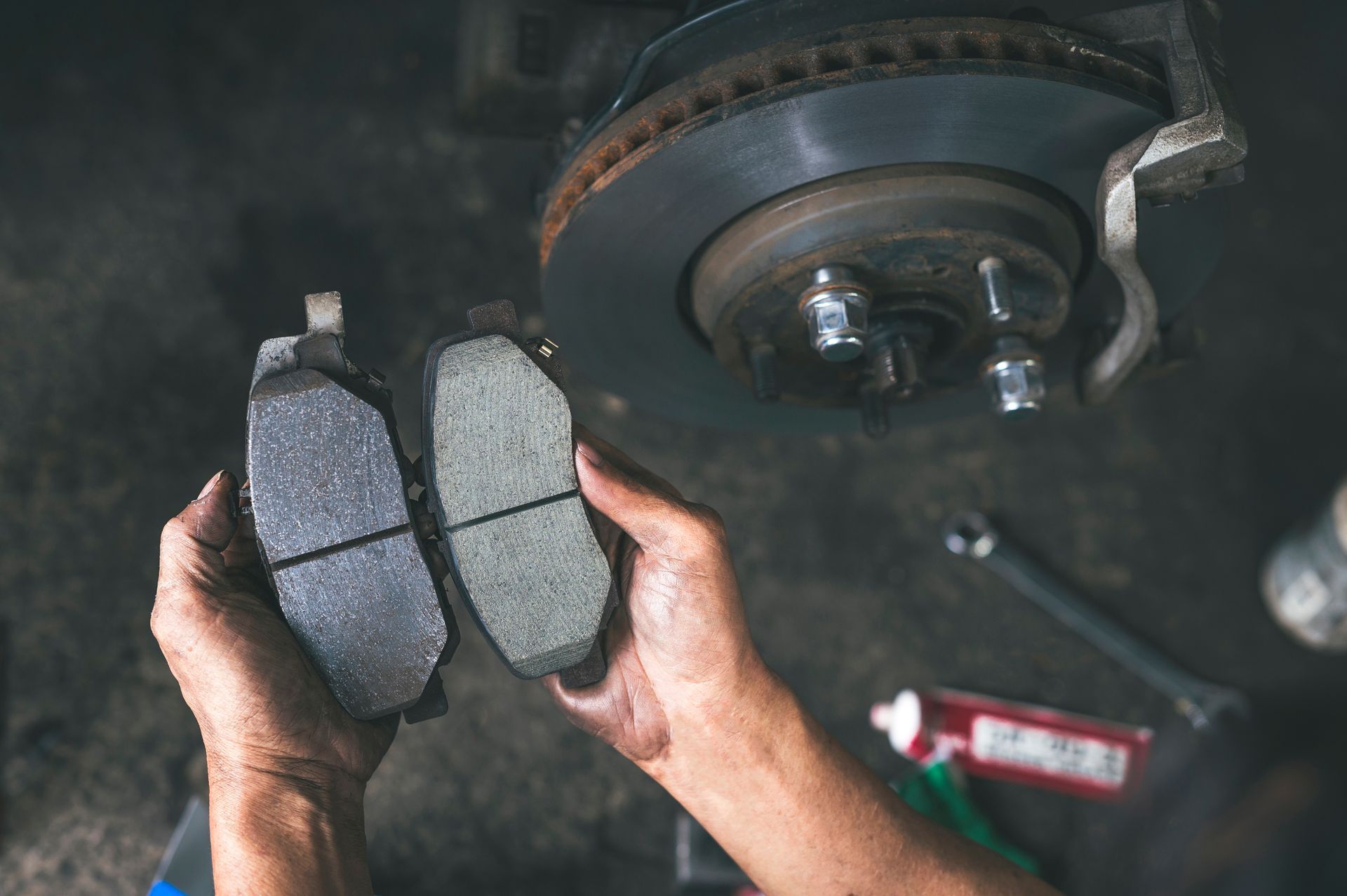
Winter roads demand more from the braking system. Wet, salty surfaces and cold pads mean you need every bit of stopping power your brakes can give. Thin pads, rusty rotors, or sticky calipers will show up quickly when traffic slows on a slick morning.
If you have noticed any squeaks, pedal pulsation, or a softer feel than usual, a pre-winter brake inspection is smart. Catching worn pads or rough rotors early helps keep stops smooth and controlled when traction is already limited.
5. Replace Streaky Wiper Blades and Top Off Washer Fluid
Seeing clearly is half the battle in winter driving. Old wiper blades that chatter or leave streaks are more than a minor annoyance when you are dealing with road spray and early sunsets. Winter-grade washer fluid helps cut through grime without freezing on the windshield.
Check the blades for cracks or missing chunks of rubber and replace them if they chatter or smear. While you are there, make sure the washer nozzles spray evenly and that you have a full reservoir of fluid rated for low temperatures.
6. Keep Up With Oil and Other Fluids
Cold starts are when oil works the hardest. Using the correct viscosity for winter helps it flow quickly through the engine instead of crawling its way up from the pan. If you are near your oil change interval, taking care of it before winter settles in is an easy way to protect the engine.
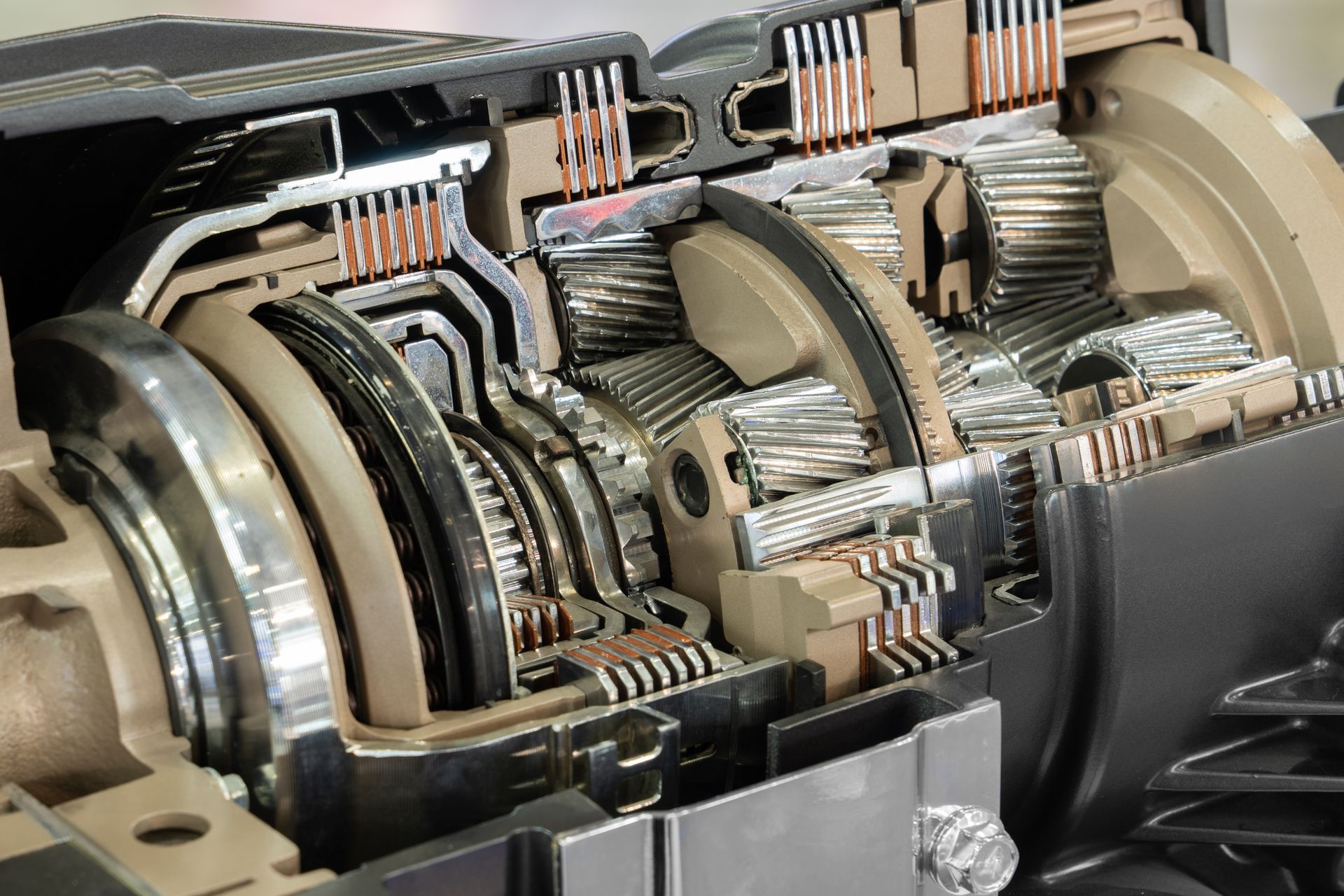
Brake fluid, power steering fluid, and transmission fluid also play a role in how the car feels when it is cold. We often recommend a quick fluid level and condition check as part of any winter prep visit, so nothing is running low or severely aged when temperatures dip.
7. Protect the Undercarriage From Salt and Slush
Salt, sand, and brine keep roads drivable, but they are tough on metal and exhaust components. Over time, buildup underneath can trap moisture and speed up rust on brake lines, fuel lines, and suspension parts. A neglected undercarriage may look fine from the side and still be in rough shape underneath.
Periodic underbody rinses during winter help wash away salt before it can sit and do damage. If rust is already starting to show, it is worth having the underside inspected so any vulnerable lines or brackets can be addressed before they fail.
8. Look Over Lights and Defrosters
Short winter days mean you spend more time driving in the dark. Burned out headlights, weak brake lights, or a lazy rear defroster are much easier to notice now than in the middle of a storm. A quick walk around the car with the lights on can reveal bulbs that need attention.
Inside, make sure the front defroster clears the windshield reasonably quickly and that the rear defogger grid is working across the glass. If certain sections stay foggy or icy, that is worth checking before you are fighting visibility in freezing rain or snow.
9. Build a Winter Emergency Kit for the Trunk
Even a well maintained vehicle can get caught in bad conditions. A small emergency kit in the trunk can turn a miserable delay into something you can manage calmly. Useful items include a scraper and brush, gloves, basic tools, jumper cables, and a small shovel.
Adding a blanket, flashlight, phone charger, and some non-perishable snacks is a good idea for longer drives. None of this replaces proper maintenance, but it does mean you are better prepared if traffic shuts down or weather changes quickly.
10. Listen for New Noises on Cold Starts and Rough Roads
Winter has a way of bringing out noises you never noticed before. Belts that chirp on cold mornings, rattles from loose heat shields, or clunks from tired suspension parts can all become more obvious when the temperature drops. Those sounds are your cue to get things checked before they turn into bigger problems.
If a new noise appears mainly when it is cold and disappears once everything is warm, make a note of when it occurs and what you were doing. Sharing that pattern with a technician helps narrow down the cause much faster.
Get Winter Car Care in Peabody, MA with Autobahn Performance, Inc.
If you want your car ready for freezing mornings, wet roads, and long winter drives, this is the perfect time for a seasonal checkup. We can look over your battery, fluids, tires, brakes, and heating systems and help you prioritize any repairs before the weather really closes in.
Schedule winter car care in Peabody, MA with
Autobahn Performance, Inc., and we will help keep your vehicle safe, reliable, and comfortable all season.