A warning light can make a car feel more mysterious than it really is. The engine may run fine, the brakes may feel normal, and the car may still get through the commute without a sound. Then the dashboard lights up, and suddenly you are wondering what the vehicle knows that you do not.
A computer diagnostic test helps answer that question.
Modern vehicles constantly watch sensors, modules, electrical signals, fuel control, emissions systems, transmission behavior, brake systems, and more. When something falls outside the expected range, the vehicle stores information that can help point the repair in the right direction.
A Diagnostic Test Reads Stored Trouble Codes
When a warning light turns on, the vehicle usually stores a trouble code. That code tells the technician which system reported a problem. It may relate to the engine, transmission, ABS, airbag system, emissions system, charging system, or another electronic control area.
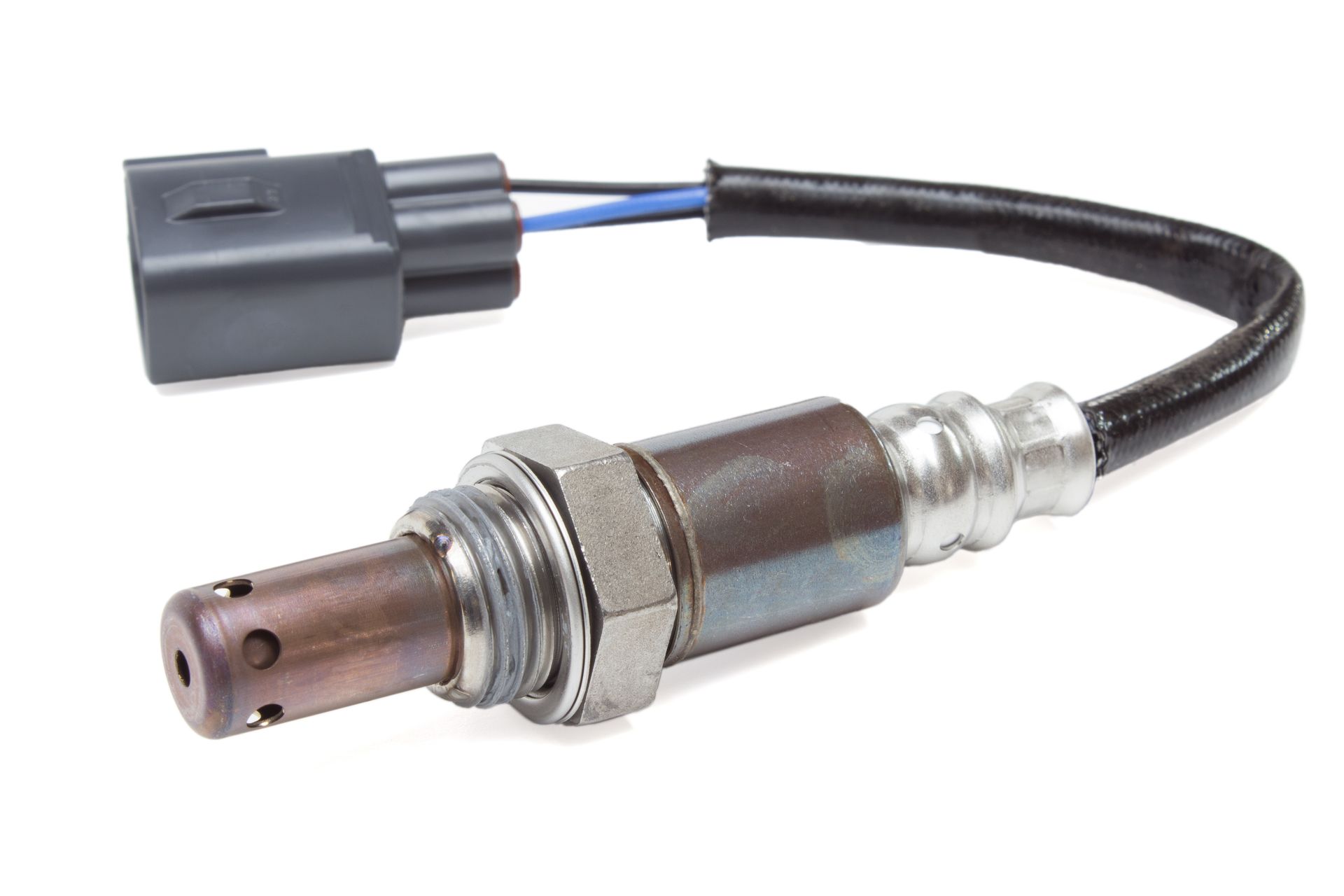
The code is useful, but it is not a full repair. A code for an oxygen sensor circuit, for example, does not automatically mean the oxygen sensor is bad. The cause could be wiring, an exhaust leak, a fuel mixture issue, or another problem affecting the reading.
A computer diagnostic test gives the starting point. The next step is checking the system behind the code.
It Shows Live Sensor Data
A scan tool can often show live data while the vehicle is running. That means the technician can see the sensors' real-time reports. Engine temperature, oxygen sensor activity, fuel trim, throttle position, airflow readings, misfire counts, battery voltage, and transmission data can all help tell the story.
Live data is helpful because some problems only show up under certain conditions. A car may idle normally but act up during acceleration. Another may run fine cold, then struggle once it warms up.
Watching live readings helps connect the warning light to what the car is actually doing, rather than relying solely on the code.
It Can Help Find Misfires
A computer diagnostic test can show which cylinder is misfiring and when the misfire is happening. That information is valuable because misfires can result from several causes.
Worn spark plugs, weak ignition coils, bad injectors, vacuum leaks, wiring faults, low compression, or fuel pressure issues can all make an engine stumble. From the driver’s seat, many of those problems feel the same.
If the check engine light is flashing, the misfire may be active enough to damage the catalytic converter. That warning should be checked quickly. The scan data helps narrow the problem, but physical testing still confirms the cause.
It Can Check Emissions And Fuel Control Problems
Many check engine lights are tied to emissions or fuel control. The vehicle may still drive normally, but the computer may detect high fuel trims, an EVAP leak, a slow sensor, or a catalytic converter efficiency issue.
Fuel trim data is especially useful. It shows whether the computer is adding or subtracting fuel to keep the engine running properly. High trim numbers can point toward a vacuum leak, weak fuel delivery, a dirty mass airflow sensor, or unmetered air entering the engine.
This type of issue may not feel urgent at first, but it can hurt fuel economy and put stress on other parts if ignored.
It Can Reveal Electrical And Charging Issues
Modern cars depend on a stable voltage. A weak battery, a failing alternator, a bad ground, a loose cable, or a corroded connection can cause confusing symptoms. Several warning lights may appear at once, even though the original problem starts with the power supply.
A scan tool can show voltage readings, module communication faults, and stored history that points toward electrical trouble. That data helps distinguish a real system failure from a low-voltage issue that is causing healthy parts to act strangely.
Battery and charging checks should still be done by hand. The computer can guide the inspection, but cables, terminals, grounds, and alternator output need to be tested directly.
It Can Help With Transmission And ABS Warnings
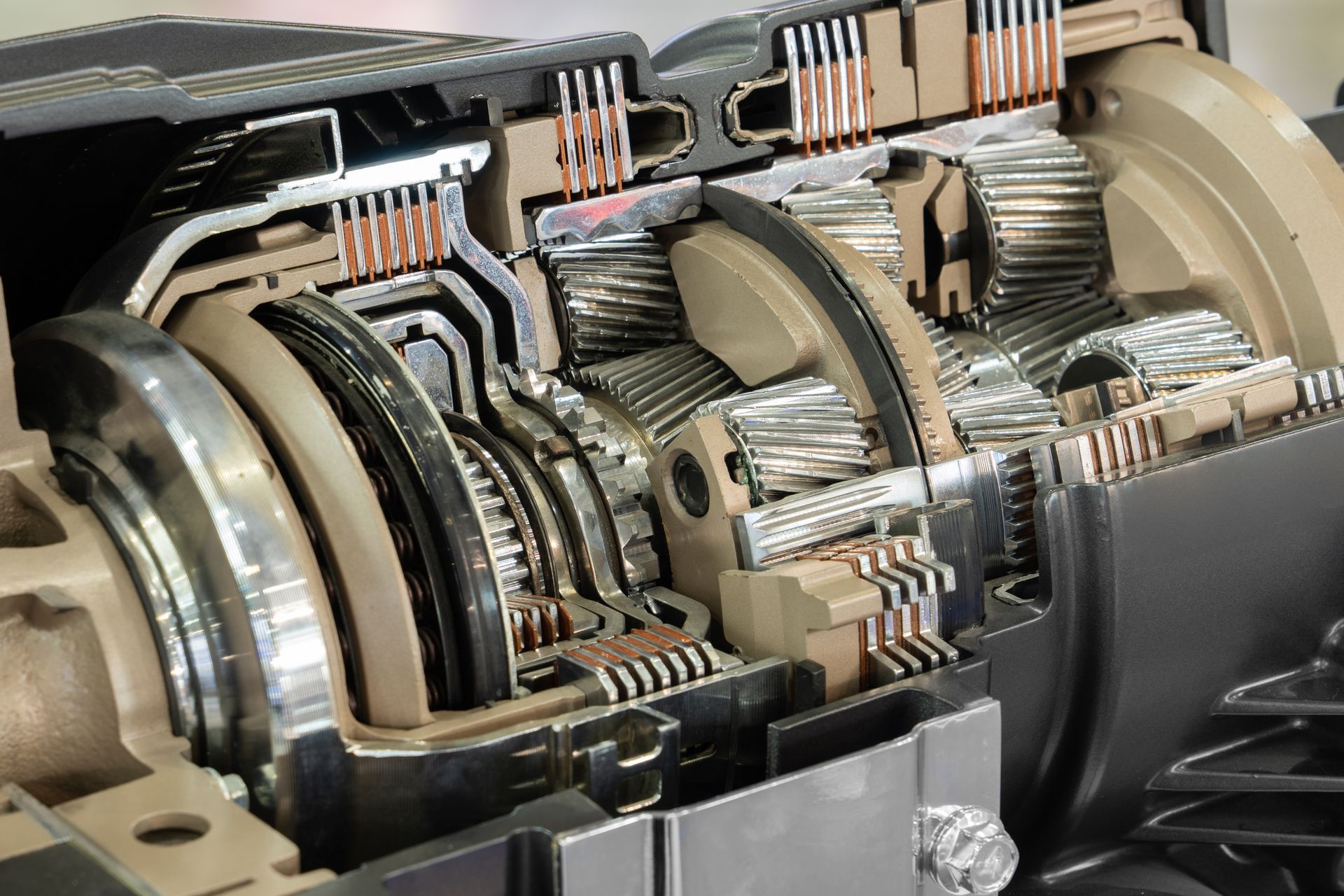
A computer diagnostic test is not only for the engine. Many vehicles store transmission and brake system information too. Harsh shifts, delayed engagement, ABS lights, traction control warnings, and stability control lights can all leave stored codes.
Transmission data may show shift timing, solenoid behavior, temperature, or pressure-related clues. ABS data may show a wheel speed sensor signal that drops out or a circuit that is not responding correctly.
This helps the technician avoid replacing parts too quickly. A wheel speed sensor code might be caused by the sensor, wiring, connector, hub, or tone ring. The scan points to the area. Testing confirms the repair.
Computer Diagnostic Cannot Replace Hands-On Testing
A computer diagnostic test is a tool, not a complete answer by itself. It cannot see a cracked hose, smell burnt fluid, feel a loose suspension part, or confirm a leaking gasket without an actual inspection.
The best results come from combining scan data with visual checks, road testing, pressure testing, electrical testing, and the driver’s description of the symptom. When did the warning appear? Was the car cold or hot? Did it happen during acceleration, braking, or highway driving?
Regular maintenance also helps because previous notes, fluid condition, battery tests, and wear measurements give the technician more context when a warning light appears.
Get Computer Diagnostic Testing In Peabody, MA, With Autobahn Performance, Inc.
If your vehicle has a warning light, rough running, shifting changes, electrical symptoms, or stored fault codes, Autobahn Performance, Inc. in Peabody, MA, can perform a computer diagnostic test and follow up with the right hands-on checks.