A Tesla can make mileage feel different from a traditional gas vehicle. There are no oil changes, no spark plugs, no belts in the same old sense, and far fewer moving engine parts. That simplicity is real, but it does not mean the car is maintenance-free.
As miles add up, a Tesla still needs careful attention. Tires wear. Brakes can corrode from lack of use. Suspension parts take hits from rough roads. Cabin filters clog. Coolant supports key battery and drive-unit systems. The car may feel quiet and clean, but it still benefits from regular maintenance and a trained inspection.
Tires Wear Faster Than Many Drivers Expect
Tesla vehicles are known for quick torque. That instant power feels great, but it can be hard on tires. The vehicle’s weight, strong acceleration, and regenerative braking can all affect tread wear. Some drivers are surprised when their tires wear sooner than they expected.
Rotation is especially important. If the tires are not rotated on schedule, uneven wear can build quickly. Low pressure, aggressive acceleration, poor alignment, and worn suspension parts can make it worse. A Tesla may not make much drivetrain noise, so tire hum or vibration can become one of the first signs that something is off.
Alignment Still Matters On An EV
A Tesla can feel planted and stable, which sometimes hides alignment problems until the tires show damage. Potholes, curbs, road seams, and everyday driving can change alignment angles over time. Once that happens, the tires may start wearing on the inner or outer edges.
That wear is not always easy to see at a glance. Inner-edge wear can hide until the tire is close to unsafe. If the steering wheel is off-center, the car drifts, or the tires look uneven, alignment should be checked. Keeping the alignment correct helps protect tires and keeps the car feeling predictable at highway speeds.
Brakes Need Attention Even With Regenerative Braking
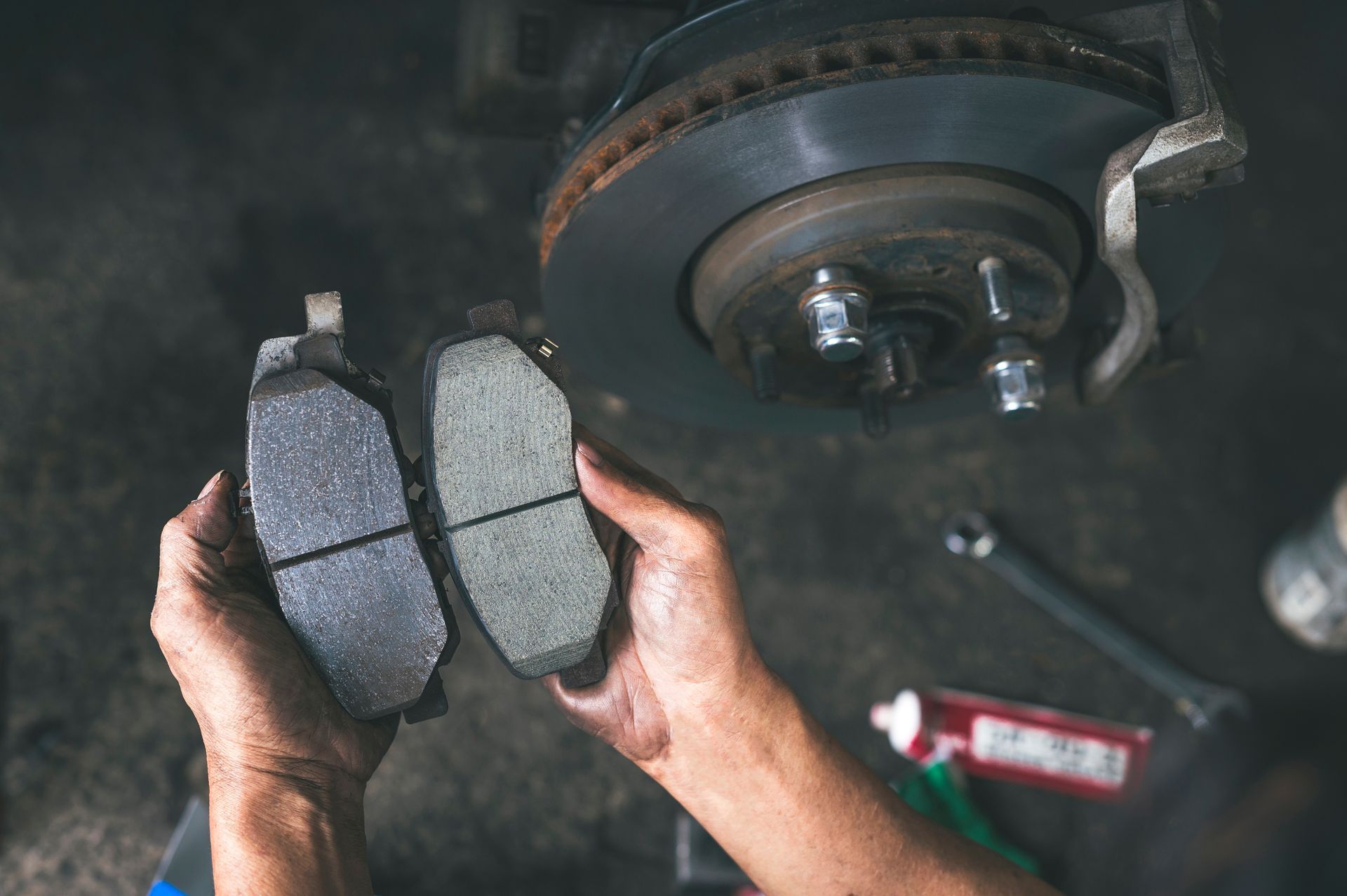
Regenerative braking reduces wear on pads and rotors because the motors help slow the vehicle. That is one of the benefits of driving a Tesla. The flip side is that the friction brakes may not be used hard enough every day to keep everything clean and moving freely.
Brake pads, rotors, calipers, slide pins, and parking brake parts can still corrode, stick, or wear unevenly. In wet or salty conditions, this becomes more important. A brake inspection can catch rust buildup, dragging parts, worn hardware, or fluid concerns before braking feel changes. Quiet brakes do not always mean the system is perfect.
Suspension Parts Carry A Lot Of Weight
Tesla vehicles are heavier than many similarly sized gas-powered vehicles due to their battery packs. That weight is low in the car, which helps handling, but suspension parts still have to carry it every mile. Control arms, bushings, ball joints, tie rods, shocks, struts, and wheel bearings all work hard.
Clunks, squeaks, vibration, uneven tire wear, or a loose feeling over bumps can point toward suspension wear. Some symptoms develop slowly, so drivers may adapt without realizing it. A careful check underneath the car can reveal worn parts before they affect tire life or ride comfort.
Cabin Air Filters And HVAC Service Count
Because there is no engine oil service reminding you to visit the shop, cabin air filters can get forgotten. A clogged cabin filter can reduce airflow, create musty smells, and make the HVAC system work harder than necessary.
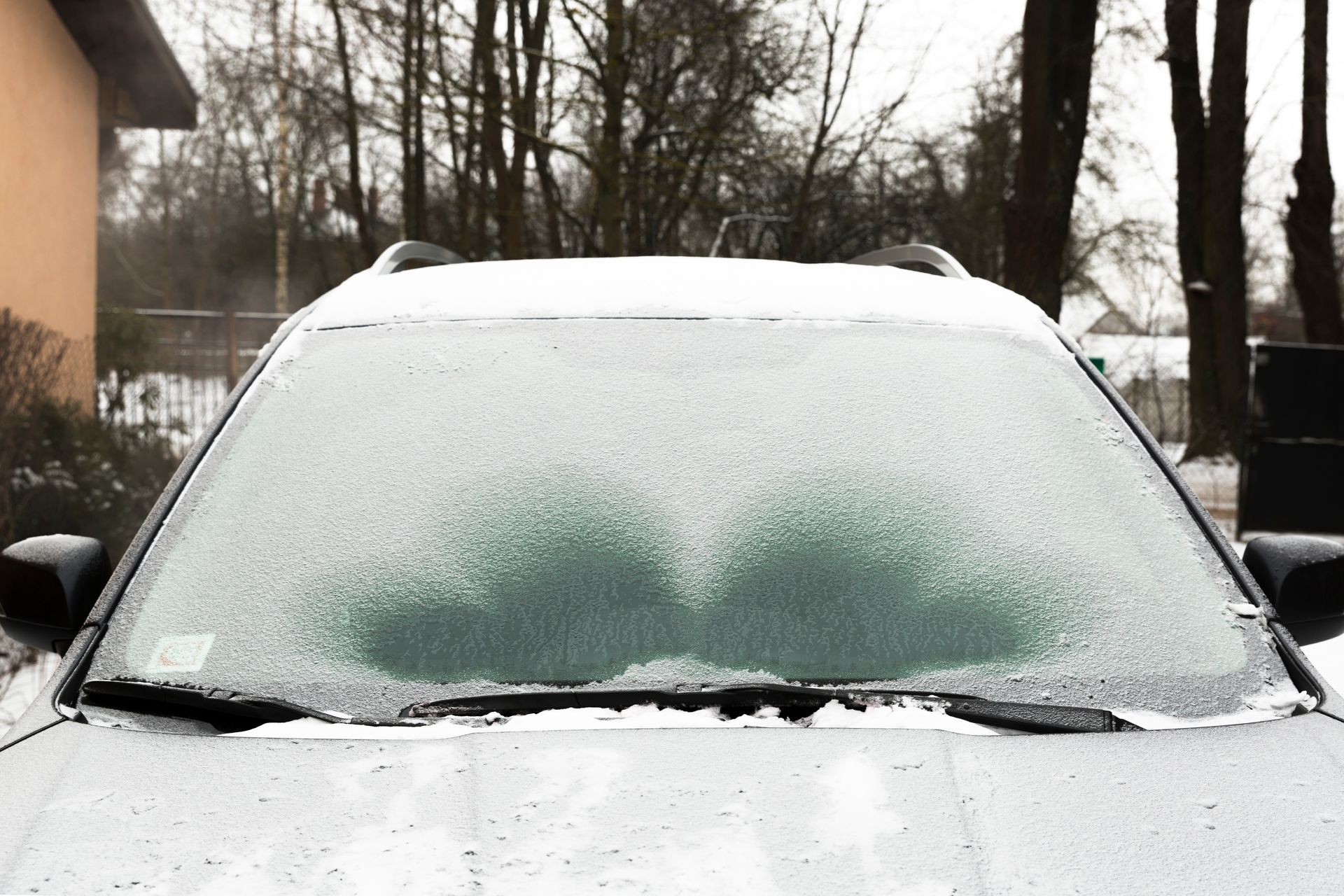
Tesla HVAC systems are also important for comfort and, on many models, thermal management. If the air smells stale, the windshield fogs more than usual, or airflow feels weak, the filter and related system should be checked. Small comfort issues can become more annoying on longer drives.
Battery And Cooling Systems Need The Right Checks
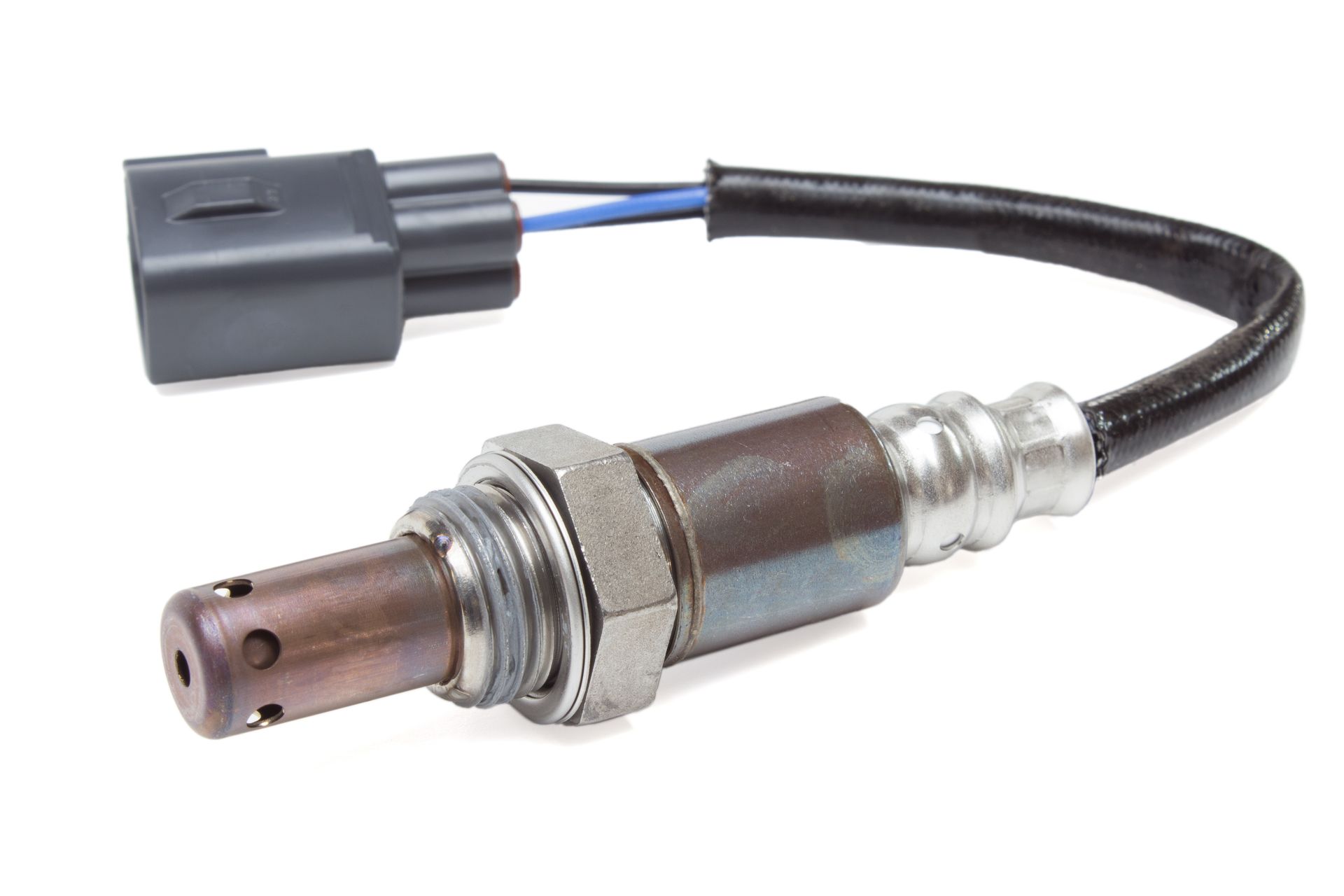
The high-voltage battery is one of the most important parts of a Tesla. Drivers cannot service it the way they would change engine oil, but the supporting systems still need attention. Coolant, pumps, sensors, wiring, connectors, and thermal management components help keep major systems within the right temperature range.
Any coolant warning, thermal warning, charging concern, or unusual range change deserves a closer look. The answer is not always a battery problem. It could be a cooling, charging, software, sensor, or connection issue. Testing matters because EV systems should not be approached with old gas-car habits.
Software Does Not Replace Physical Maintenance
Tesla software updates can improve features, fix bugs, and adjust vehicle behavior. That is useful, but software cannot rotate tires, clean brakes, check suspension joints, inspect underbody panels, test a 12-volt or low-voltage battery, or spot a damaged tire.
The car may tell you about certain problems, but it will not catch everything. A physical inspection still matters, especially as mileage climbs. The best approach combines the car’s digital alerts with hands-on checks of the parts that wear in the real world.
Get Tesla Maintenance In Peabody, MA, With Autobahn Performance, Inc.
If your Tesla has higher mileage, uneven tire wear, brake noise, suspension clunks, reduced airflow, warning messages, or charging concerns, Autobahn Performance, Inc. in Peabody, MA, can help with careful service and inspection.
For Tesla maintenance that keeps the whole vehicle in mind, contact us to schedule an appointment.