Porsche vehicles are engineered for precise handling, strong acceleration, and confident braking, but performance depends on every system working as intended. A small coolant smell, brief warning message, or change in shift quality can be an early sign that a component is beginning to fail.
Problems also vary by model, engine, transmission, and year. Even so, technicians regularly encounter several concerns across the Porsche lineup. Addressing these seven warning signs early can help protect the engine, drivetrain, suspension, and other expensive components.
1. Cooling System Leaks
A Porsche cooling system may develop leaks around the water pump, thermostat housing, expansion tank, radiator, hoses, or plastic connections. Early signs can include a sweet odor, dried coolant residue, a low coolant message, or a reservoir level that keeps dropping.
Some leaks occur only after the engine reaches operating temperature and pressure builds. Coolant can collect beneath covers or evaporate on hot parts without leaving a clear puddle. Continuing to drive with low coolant can cause overheating and damage cylinder heads, gaskets, seals, and internal engine components.
2. Engine Oil Leaks
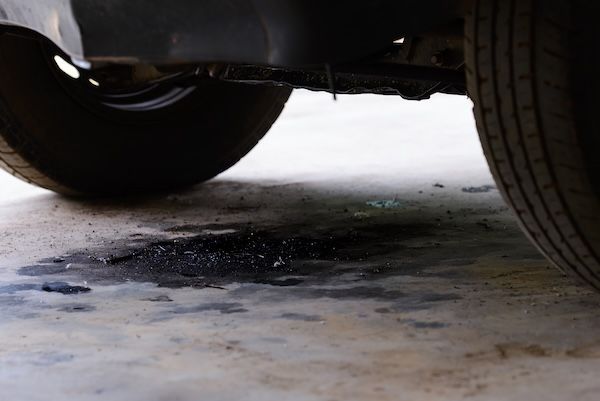
Oil leaks may begin around valve covers, timing covers, oil filter housings, camshaft components, rear main seals, or oil cooler connections. A small leak can spread across the engine or underbody, making the source difficult to identify without cleaning the area first.
Drivers may notice a burning smell, light smoke, oil spots, or a dropping oil level. Oil can also damage belts, mounts, wiring, and rubber hoses. Checking the level regularly is important, but topping it off does not replace locating and repairing the leak.
3. PDK And Automatic Transmission Problems
Porsche transmissions should respond quickly and predictably. Delayed engagement, harsh shifts, shuddering, gear hunting, or a warning message may involve fluid condition, sensors, solenoids, control software, clutch wear, or internal hydraulic concerns.
Some problems appear only when the transmission is cold, while others begin after it heats up. A road test and diagnostic scan can reveal clutch adaptation values, temperature data, pressure-related faults, and gear commands. Continuing to drive with severe slipping or repeated warnings can create additional heat and internal wear.
4. Suspension And Control Arm Wear
Porsche suspension systems rely on control arms, bushings, ball joints, struts, shocks, sway bar links, and electronic controls to maintain precise wheel movement. As these parts wear, the vehicle may clunk over bumps, wander at highway speed, or feel less settled during braking and cornering.
Uneven tire wear can be another clue. An alignment cannot remain accurate if a worn joint or damaged bushing allows a wheel to shift under load. Suspension concerns should be corrected before new tires are installed or alignment settings are adjusted.
5. Ignition Coil And Spark Plug Problems
Ignition coils and spark plugs operate in high temperatures and must produce a strong spark under heavy engine load. A weak coil or worn plug may cause hesitation, rough idle, reduced power, or misfiring during acceleration.
The check engine light may flash when the misfire becomes severe. Unburned fuel can enter the exhaust and overheat the catalytic converter, turning an ignition repair into a much more expensive exhaust problem. Regular maintenance with the correct plugs can reduce risk, but coils and related wiring still need testing when misfires appear.
6. Air-Oil Separator Failure
The air-oil separator helps control crankcase pressure and keeps excess oil vapor from entering the intake. When it fails, the engine may idle poorly, produce excessive smoke, develop a whistling sound, or create unusually strong suction at the oil cap.
A failed separator can also increase oil consumption and contribute to intake deposits. Similar symptoms can come from vacuum leaks, worn engine components, or turbocharger concerns, so testing is needed before replacing the separator. Driving with incorrect crankcase pressure can also place extra strain on seals and gaskets.
7. Electrical And Battery-Related Warnings
Porsche vehicles depend on stable voltage for the engine, transmission, suspension, braking, climate control, and body electronics. A weak battery, failing alternator, poor ground, or loose connection can cause several warning messages to appear during the same startup.
This is especially common in vehicles driven infrequently or stored for long periods. Low voltage may also affect convertible tops, electronic parking brakes, active suspension, and keyless systems. Battery condition, charging output, current draw, cables, and grounds should be tested before multiple modules or sensors are blamed.
Why Early Diagnostic Protects More Than One System
Many Porsche systems are closely connected. A coolant leak can lead to overheating, a misfire can damage the catalytic converter, and low voltage can create misleading faults across several control modules. Repairing the original cause early often prevents secondary damage.
Pay attention to changes in sound, smell, ride quality, fluid level, starting behavior, and dashboard messages. An inspection is especially important when the same symptom returns after the vehicle is restarted or when performance changes under acceleration.
Get Porsche Repair In Peabody, MA, With Autobahn Performance, Inc.
If your Porsche has a coolant or oil leak, shifting concern, suspension noise, misfire, smoke, or electrical warning, Autobahn Performance, Inc. in Peabody, MA, can evaluate the affected systems and identify the source.
Contact us to schedule an appointment before an early warning develops into a larger repair.