A Volkswagen with a coolant warning and one with a rough cold idle don't necessarily share the same problem, even if they have similar mileage. The engine code and model year often affect the repair more than the model name on the trunk.
Several repair areas come up often enough that owners should recognize the symptoms. The following concerns need to be matched to the engine and equipment in the car, rather than treated as a checklist of parts every Volkswagen will eventually need.
Volkswagen Coolant Leaks Around Pumps and Thermostat Housings
Some TSI engines use a water-pump and thermostat arrangement with several seals and connections in a confined area. Leakage there may leave a sweet odor, dried residue, or a low-coolant warning before a large puddle appears. Other Volkswagen engines use different pump designs and access routes.
The inspection should trace the actual loss and pressure-test where required. Repeated top-offs hide the rate of leakage and risk introducing the wrong coolant. If the engine overheats, stop safely and shut it off. Never open a pressurized coolant cap while it is hot.
Spark Plugs and Coils Cause Familiar Misfire Complaints
Many Volkswagen gasoline engines have a separate ignition coil above each spark plug. A weak coil or worn plug can cause a rough idle, stumbling under acceleration, or a flashing check engine light. The complaint often becomes more noticeable when a turbocharged engine is asked to pull harder.
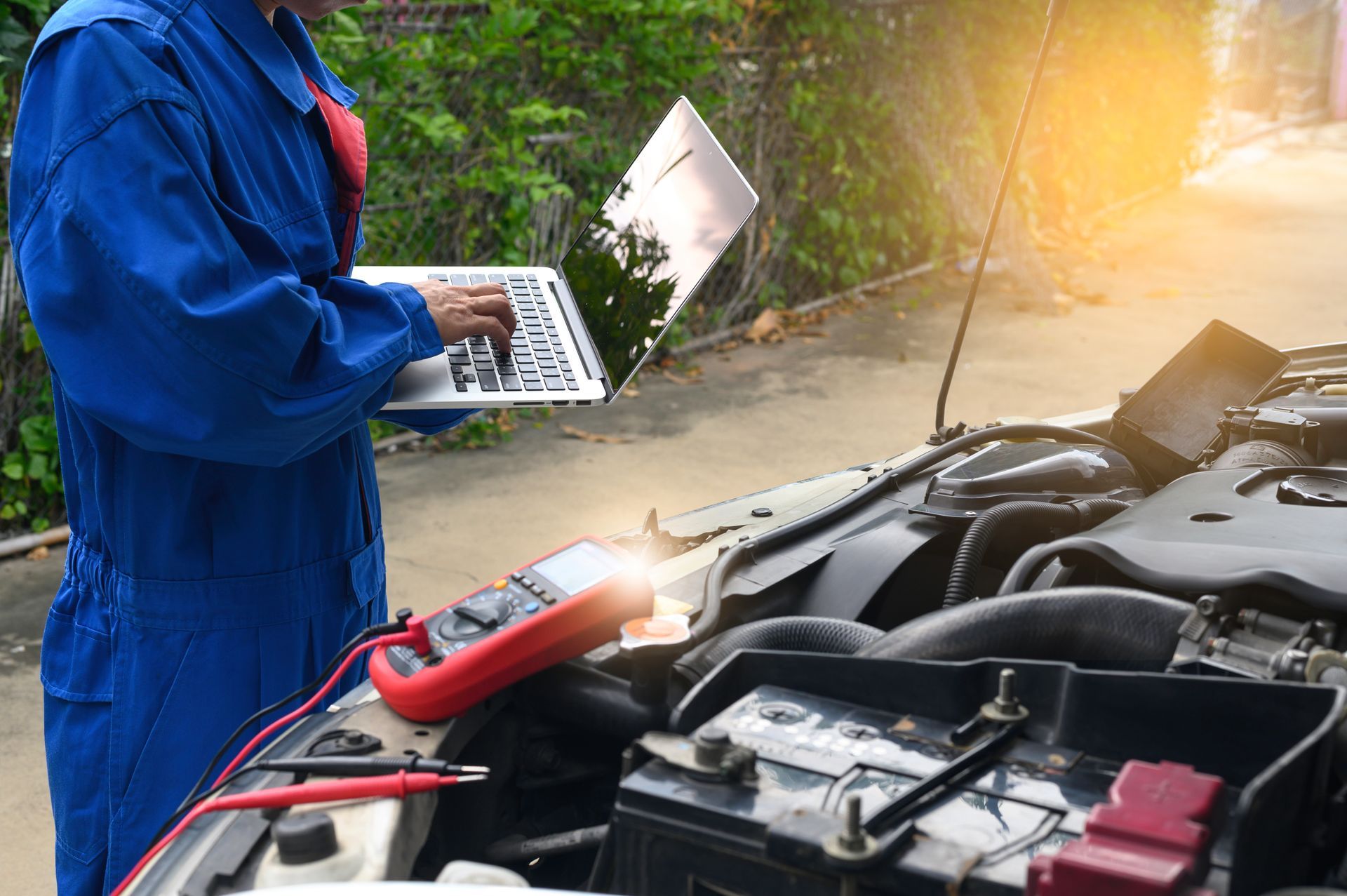
The cylinder information helps guide testing. It doesn't exclude an injector problem, intake leak, or mechanical fault in that cylinder. Plug condition, coil operation, connections, and the readings recorded during the complaint need review. A flashing light with strong shaking calls for a safe stop and assistance because unburned fuel overheats the catalytic converter.
PCV and Intake Leaks Affect Idle and Oil Use
Crankcase ventilation faults on certain VW engines affect intake air and crankcase pressure. A whistle, unstable idle, lean-running fault, or increased oil use may bring the pressure-regulating valve and related hoses into the inspection.
Smoke testing and pressure checks help locate a leak that can't be seen under the engine cover. A split hose, damaged seal, or failed regulating diaphragm needs a different repair from carbon deposits inside an intake passage. Similar symptoms should lead to measurements, not a repeated order for the same familiar part.
Carbon Buildup Depends on the Volkswagen Engine Design
On direct-injected gasoline engines without intake-port fuel washing, deposits can collect on the backs of intake valves. Rough cold starts or airflow-related performance complaints sometimes lead to an inspection of those deposits. Engines with different injection arrangements don't all build deposits in the same way.
Cleaning should follow evidence that the deposits are contributing to the complaint. It also needs the correct method for the engine. Pouring a product into the fuel tank doesn't automatically clean the back of an intake valve when fuel isn't being sprayed across that surface.
Timing Belt and Timing Chain Requirements Differ
Some Volkswagen engines use timing belts with scheduled replacement requirements. Others use chains. Certain earlier TSI applications have documented chain or tensioner concerns, but that history shouldn't be applied to every newer engine wearing the same TSI badge.
Engine identification, service records, startup noises, and timing-related readings guide the inspection. A chain isn't a promise that timing parts never need repair. A belt also shouldn't wait for a noise before being replaced when its interval is due. The repair plan needs to match the exact engine.
Volkswagen Transmission Service Needs the Right Identification
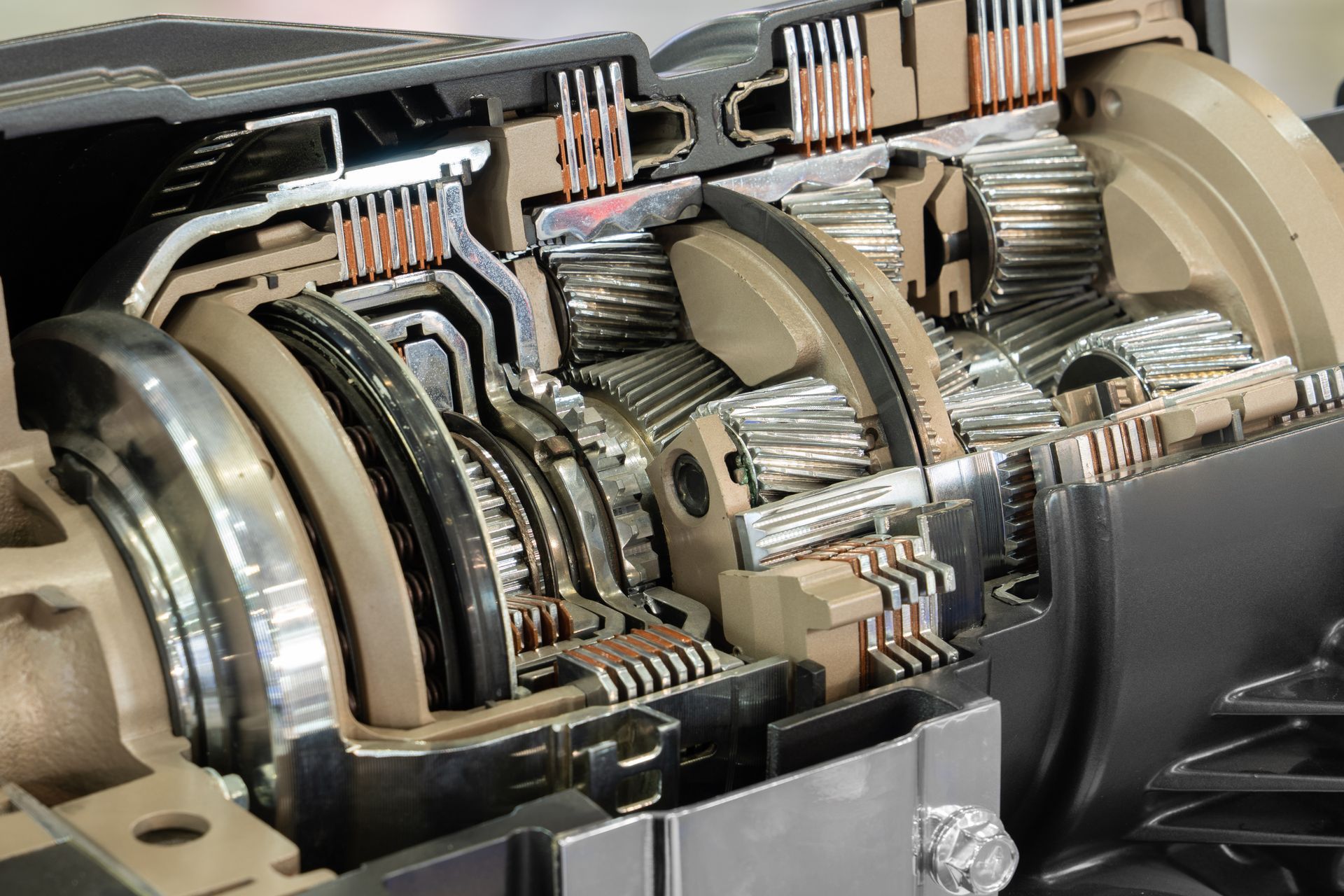
A DSG dual-clutch transmission isn't serviced in the same way as every conventional automatic. Different DSG designs also require different fluids and filters. Hesitation, harsh engagement, or a warning needs review with the transmission identification and service history.
Fresh fluid won't repair a damaged clutch or failed control unit. Testing should establish whether the complaint involves maintenance, hydraulic control, electrical operation, or internal wear. That distinction explains why two vehicles described simply as automatic Volkswagens may need very different work.
Details to Bring to a Volkswagen Repair Visit
Keep these records and observations available:
- The engine and transmission details if known
- When the warning or symptom appears
- Oil added between changes
- Coolant added between services
- Timing-belt or timing-chain repair history
- Earlier fault-code and repair invoices
Leave warning information stored when possible. A problem that happens only during the first cold start is easier to investigate when that pattern is described before the car has already warmed up for the day.
Get Volkswagen Repair in Peabody, MA, With Autobahn Performance, Inc.
Autobahn Performance, Inc. in Peabody, MA, can review Volkswagen leaks, warning lights, misfires, and shifting complaints. Bring the maintenance history so the next repair accounts for the work already completed.