Audi vehicles combine strong performance with complex engines, electronics, cooling systems, transmissions, and suspension components. That combination can make them rewarding to drive, but it also means small maintenance problems can become expensive if left alone for too long.
Preventive maintenance is not about replacing parts before they need it. It is about servicing fluids and filters on time, watching for developing leaks or wear, and addressing small changes before they affect other systems. With an Audi, that approach can make a noticeable difference in long-term repair costs.
Oil Service Protects More Than the Engine
Modern Audi engines place heavy demands on engine oil. Turbochargers, variable valve timing systems, timing components, and tight internal clearances all depend on the correct oil specification and proper oil level.
Going too long between oil changes can allow deposits to build up and reduce lubrication where it is needed most. Low oil creates another problem, especially on engines that consume some oil between services. At our shop, we check for leaks and oil consumption instead of treating every oil change as a simple drain-and-fill job.
Using the correct oil also matters. The right viscosity alone isn't always enough because Audi engines may require oil that meets a specific manufacturer approval.
Cooling System Problems Are Cheaper When Caught Early
Audi cooling systems can include plastic housings, electric pumps, thermostats, multiple hoses, and several coolant connections packed tightly around the engine. A small seep may leave only dried residue at first.
If that leak grows, the coolant level can drop far enough to cause overheating. An inexpensive seal or leaking hose can then become a much larger repair if excessive heat damages the engine.
During an inspection, we look for coolant stains, reservoir level changes, weak hoses, and signs of leakage around pumps and housings. We also check whether the engine reaches and holds its normal operating temperature. Catching a cooling problem before the temperature warning appears is almost always easier on the repair budget.
Transmission Service Helps Protect Expensive Components
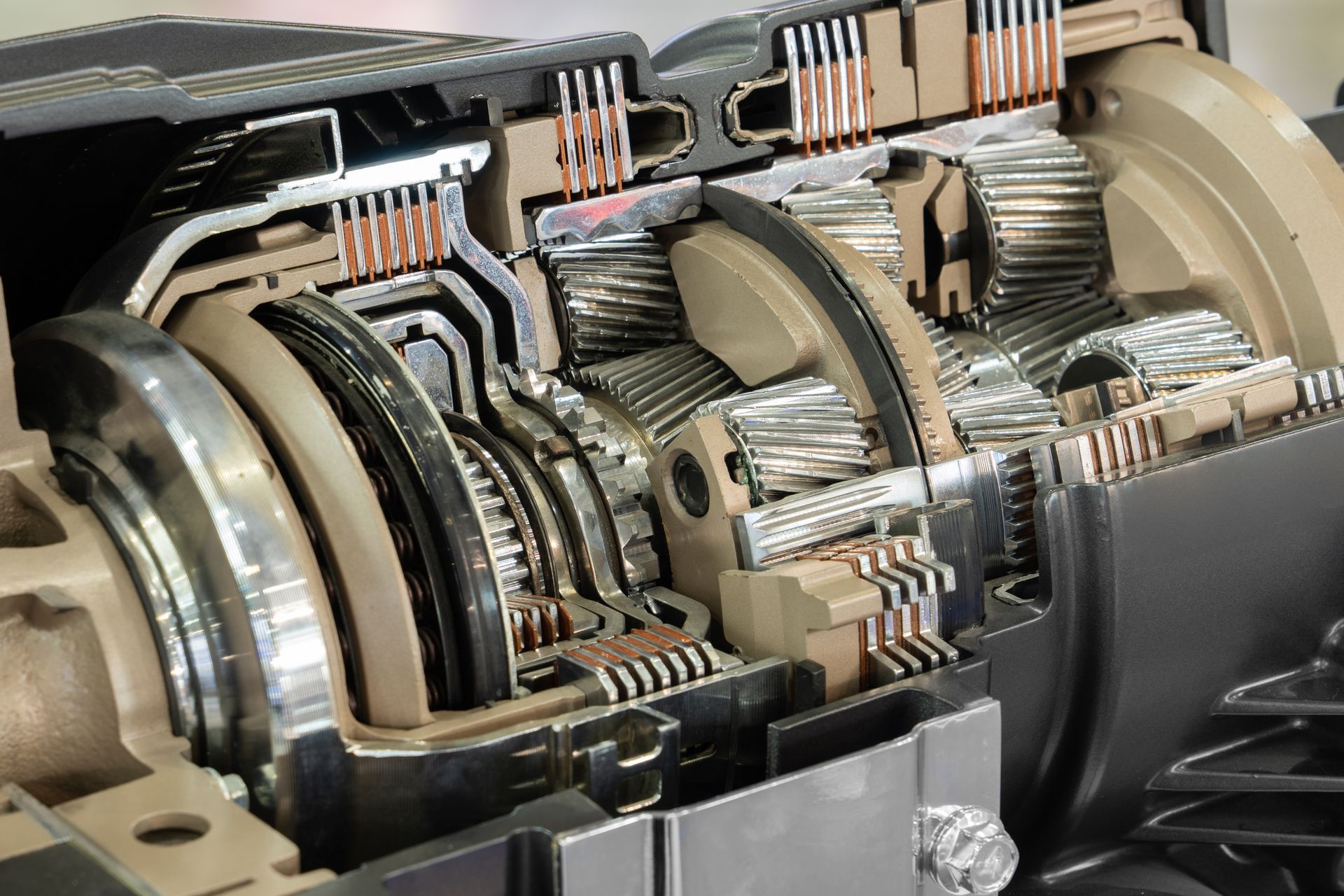
Audi has used several transmission designs, including conventional automatics and dual-clutch units. Their fluid requirements and service intervals are not all the same.
Transmission fluid handles lubrication, hydraulic pressure, heat control, and clutch operation where applicable. As it ages, contamination and heat can reduce its performance.
Regular maintenance should follow the schedule for the exact transmission rather than a generic mileage rule. If the transmission begins hesitating, shifting harshly, or slipping, fluid service should not automatically be treated as the repair. We first determine whether the problem is maintenance-related or whether a mechanical or electronic fault has already developed.
Small Oil and Coolant Leaks Should Not Be Ignored
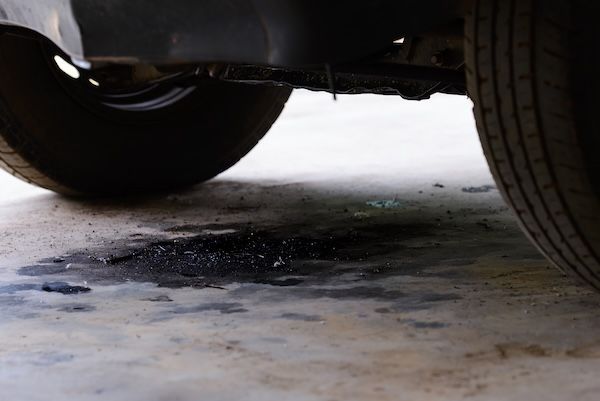
A light seep does not always require immediate repair, but it should be watched. Audi engines can have several seals, covers, housings, and connections close together, so one small leak can spread fluid across a large area and make the source harder to identify later.
Oil leaking onto belts, rubber mounts, or hot exhaust components can create additional problems. Coolant can damage electrical connectors or leave the system low enough to affect temperature control.
At Autobahn Performance, Inc., we compare what we see now with previous visits when possible. A leak that has stayed almost unchanged for a long time is different from one that suddenly becomes wet or starts leaving spots on the ground.
Battery and Electrical Health Matter More Than Many Owners Expect
Modern Audis rely heavily on electronic modules. A weak battery or charging problem can create warning messages, slow starts, communication faults, and other symptoms that seem unrelated.
Replacing modules before checking system voltage can get expensive quickly. We test battery condition and charging performance when electronic problems begin, especially if several warnings appear at the same time.
Some Audi models also require battery registration or adaptation after replacement. Installing the correct battery and completing the required setup helps the charging system manage it properly.
Suspension Wear Can Affect Tires and Handling
A worn bushing can allow the wheel alignment to change while driving. The first sign may be uneven tire wear rather than a clunk or obvious handling problem. By the time the car begins wandering, a set of tires may already be damaged.
Checking suspension wear early can protect more than the suspension itself. Correcting looseness before alignment and tire damage develop can reduce the number of parts that need attention at once.
A Maintenance History Makes Future Repairs Easier to Plan
One of the biggest benefits of preventive care is knowing what has already been done. With a history of oil services, fluid changes, brake measurements, leaks, tire wear, and battery condition, future decisions become easier.
Instead of discovering several overdue items during one visit, you can plan them over time. We can also see whether a seep is getting worse, brake wear is accelerating, or one tire is wearing differently from the rest.
That makes maintenance less about reacting to problems and more about keeping the Audi predictable as the mileage increases.
Get Audi Preventive Maintenance In Peabody, MA, With Autobahn Performance, Inc.
If you want to keep repair costs more manageable as your Audi gets older, Autobahn Performance, Inc. in Peabody, MA, can help you stay ahead of fluid services, leaks, suspension wear, cooling-system issues, and other developing problems.
Schedule your Audi maintenance before several small concerns turn into one much larger repair bill.