Pull the paddle in a sports car, and the next gear can arrive before you've finished noticing the last one. Then the same car feels less graceful while inching backward into a parking space. Owners sometimes wonder how a transmission can be so quick on the road yet seem hesitant at walking speed.
Those two experiences come from the same basic design. Understanding what is happening between the engine and the wheels makes it easier to recognize normal operating traits, use the car without unnecessary clutch heat, and describe a real problem when something changes.
Two Clutches Share the Gears
A dual-clutch transmission has two clutch-controlled gear paths within one assembly. In a typical arrangement, one handles odd-numbered gears while the other handles even-numbered gears. The transmission's controller operates the clutches and gear-selection mechanisms, so the driver doesn't use a clutch pedal even though physical clutches connect the engine to the gears.
Imagine driving in third while fourth is already selected on the other path. Fourth isn't driving the wheels yet because its clutch remains open. When the shift is requested, the controller coordinates releasing one clutch and applying the other. That handover makes a rapid shift possible without first completing every mechanical step after the driver asks for it.
Preselection Works Best When the Next Move Is Predictable
During acceleration, an upshift is a reasonable prediction. When you brake for a corner, a downshift becomes more likely. The controller considers accelerator position, speed, driving mode, and other inputs when preparing the next ratio. The controller anticipates the next move rather than simply alternating clutches.
A sudden change of plan can take longer. Flooring the accelerator while the system is preparing an upshift may require a different gear to be selected. A brief delay in that situation doesn't automatically mean damage. At our shop, we compare the complaint with the operating mode and requested gear before treating every pause as a mechanical failure.
The Electronics Coordinate More Than Gear Choice
During a shift, the transmission and engine controllers coordinate torque with clutch operation. Too much torque at the wrong point in the handover would make the change harsh or overheat a slipping clutch. Sensors track shaft speeds and other operating conditions so the control system can adjust its commands.
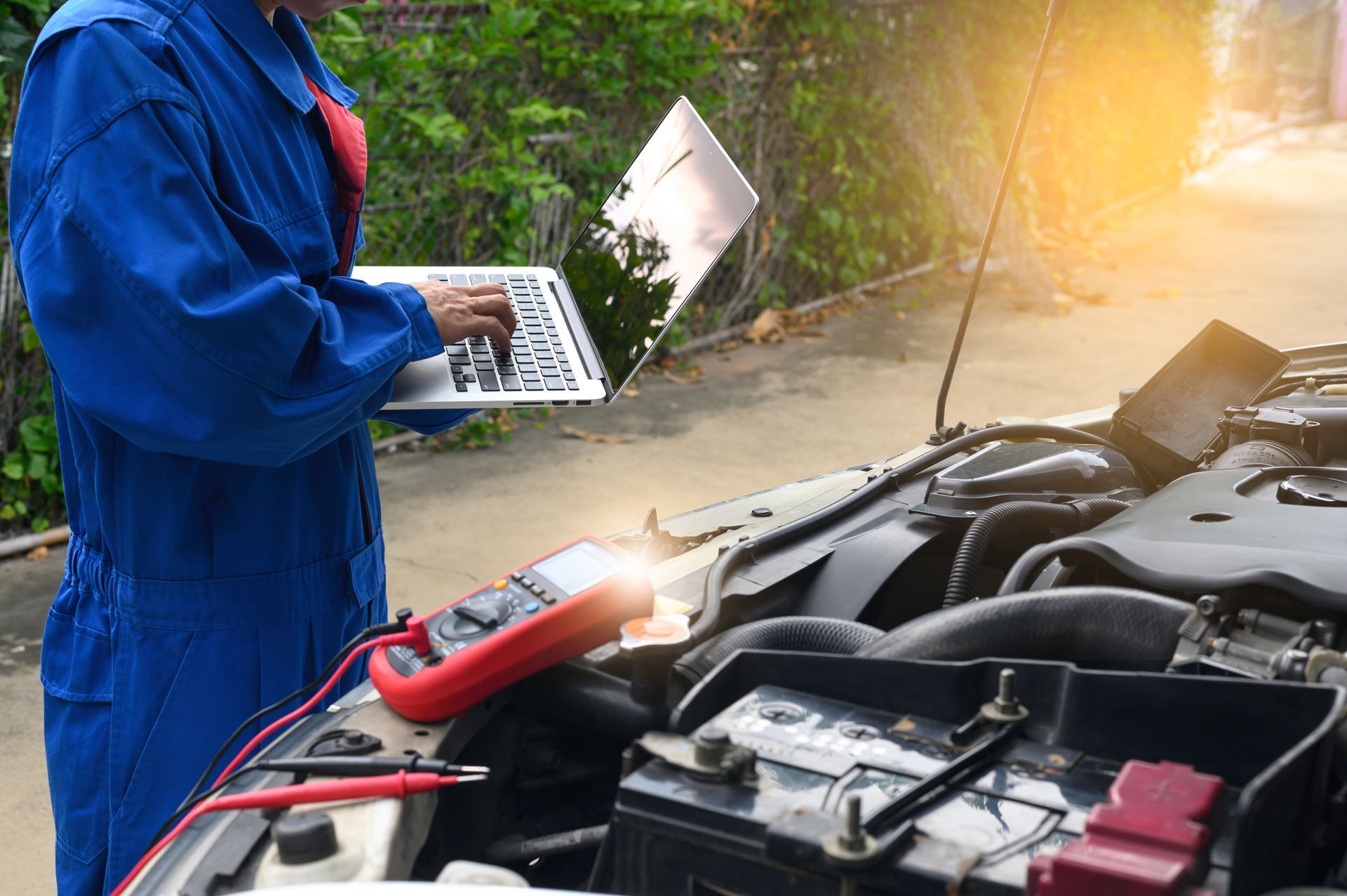
Many systems combine hydraulic valves, electronics, and actuators in an assembly called the mechatronic unit. A fault there can affect engagement or shifting even when the gears themselves are sound. Recorded fault codes, clutch-related data, temperature information, and electrical supply checks help determine whether a complaint concerns control, pressure, friction wear, or another drivetrain component.
Why Creeping Requires Different Treatment
A conventional automatic commonly uses a torque converter to manage the connection at low speed. A typical dual-clutch transmission instead has to control clutch slip when pulling away and creeping. Some low-speed engagement feel is therefore different from what a driver expects after years with a conventional automatic.
Use the brake to hold the car on a slope rather than balancing it with the accelerator. Avoid spending extended periods moving inches at a time when traffic allows a short gap and one deliberate move instead. Follow the owner's instructions for your particular gearbox, including traffic and temperature warnings. Don't dismiss a persistent shudder or harsh lurch as normal just because the transmission has two clutches.
Wet and Dry Clutches Have Different Service Needs
Wet-clutch designs run the clutch packs in oil, which helps carry away heat. Dry-clutch designs keep the friction surfaces outside an oil bath. Both need lubrication elsewhere, but their fluid circuits, filters, and service procedures differ. A dry clutch doesn't mean the entire gearbox operates without oil.
Use the maintenance schedule and fluid specification for the exact transmission. Some designs have separate fluid circuits, and replacing one fluid doesn't service all of them. Heavy use or other demanding operation can add service requirements. Keep those details in the regular maintenance record rather than assuming a generic automatic-transmission service covers a dual-clutch gearbox correctly.
Separate Familiar Traits From a New Fault
Pay attention to changes from the car's established behavior: delayed movement after selecting drive, recurring clutch shudder, gear loss, overheating messages, or a harsh shift that wasn't present before. Mount wear and engine misfires can also show up during acceleration and be mistaken for transmission trouble.
A diagnostic inspection should reproduce the event at the relevant temperature and load. We record the gear and clutch behavior rather than repeatedly resetting adaptations in the hope that the complaint disappears. Adaptation procedures have a place after specific work, but they can't repair worn friction material or a leaking hydraulic circuit. You need to follow a warning to stop.
Get Dual-Clutch Transmission Service In Peabody, MA, With Autobahn Performance, Inc.
Autobahn Performance, Inc. in Peabody, MA, can review your sports car's transmission operation and service needs. Mention which gear, temperature, or parking maneuver brings on the concern.
Contact us to arrange dual-clutch transmission service or an evaluation of a change in engagement.