For many car enthusiasts, restoring a classic car is a labor of love. These vehicles are more than just vintage cars; they are a symbol of an era gone by. Classic cars offer a glimpse into history and society and speak volumes about the evolution of the automobile industry.
Restoring a classic car to its former glory can provide a sense of pride, accomplishment, and nostalgia. However, restoring classic cars is not invariably a straightforward process, and electrical systems can be particularly tricky to fix. But don't worry, we are here to help. We will explore the essential steps for restoring electrical systems in classic cars.
Step 1: Planning and Inspection
Before starting with the actual repair work, there are a few essential planning steps that you must consider. These will help you avoid mistakes and make the process more straightforward.
The first thing to do is inspect the electrical system of the car. Proper inspection will help identify any worn-out wires or damaged parts that need replacing. You must be thorough in your inspection, examining every component of the vehicle's electrical system. It is essential to take note of each component, the gauge and length of each wire, and where it is located in the car.
Once you have identified all the components, you should develop a detailed plan for the restoration work. This involves identifying what needs to be replaced, what can be repaired, and whether any additional safety features need to be added.
Step 2: Gather the Required Tools and Equipment
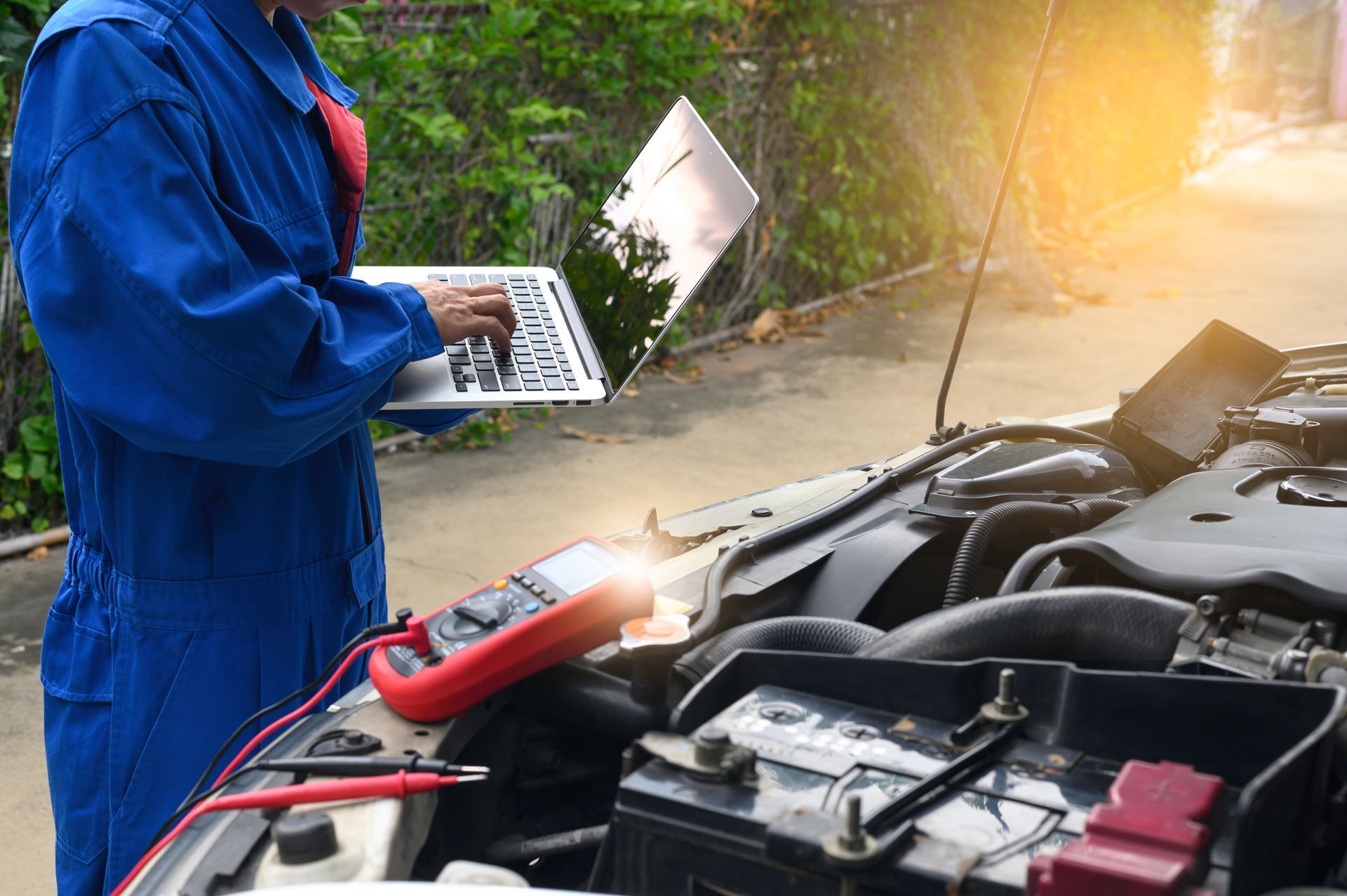
To restore the electrical system in your classic car, you will require some necessary tools and equipment. Some of the essential tools include wire cutters, wire strippers, crimping pliers, and a multimeter. Some other specialized tools may be required depending on the extent of the damage in the wiring and electrical systems. It is crucial to have all the necessary tools before proceeding with the repair work, as it can help you work efficiently and avoid mistakes.
Step 3: Strip The Wiring
With the inspection done and the tools and equipment gathered, it's time to strip the wiring altogether. It would be best to label every wire accurately to avoid confusion later during the restoration process. Labeling will also help you locate the wires when installing them back into the car. Once all the wires have been stripped, you can clean out the old wire harness and carefully mount the new ones in place.
Step 4: Fix the Fuse Box and Relays
The next step is to inspect and repair the fuse box and relays. The fuse box and relay are crucial electrical components that ensure the smooth functioning of your car. It is essential to inspect the fuse box or relay for any signs of wear and tear or rust. Replace any damaged fuses or relays to ensure the electrical system of your car is functioning correctly.
Step 5: Replace Wiring Harness and Connect Wires
With the necessary inspection, cleaning, and repair of the electrical system done, it's time to replace any faulty wiring in the car. Connect the wires according to the plan you created during the planning and inspection process. Ensure that you re-install wires and cables properly, avoiding any kinks that could lead to damage or poor connections.
Step 6: Ensure Safety Measures
Last but not least, before you finish installing everything back, ensure that you have put all necessary safety measures in place. If your classic car did not have any safety measures, now is the time to add items such as a fire extinguisher, car alarms, and more sturdy electrical switches. Make sure that you test everything out to confirm it's functioning regularly.
Restoring electrical systems in classic cars is inevitably a daunting task, but it's also a vital aspect of restoring a classic car fully. It is crucial to take a thorough, planned approach, as it can help avoid mistakes and streamline the process. And for your classic car restoration needs, our auto repair shop has got you covered.
With our certified mechanics and cutting-edge diagnostic tools, you can rest assured that your classic car is in safe hands. Contact Autobahn Performance, Inc. in Peabody, MA, today to book an appointment and let us help you restore your classic car to its former glory!